
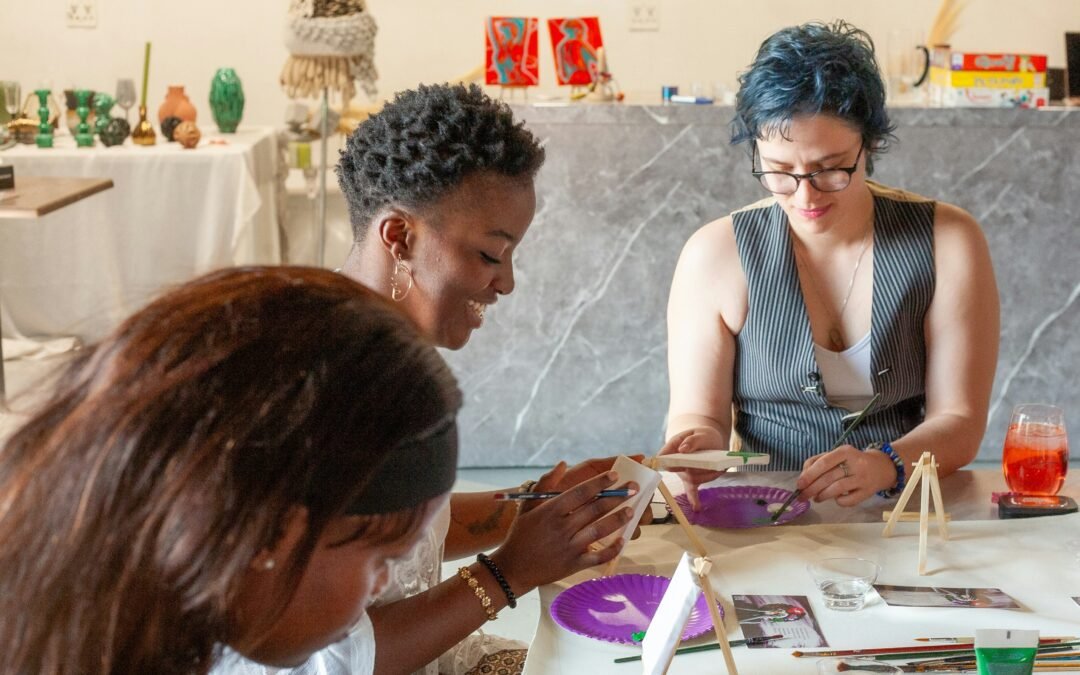
For years, traditional parties—characterised by loud music, crowded venues, and unstructured socialising—were the default way people connected. However, urban lifestyles and social preferences are evolving. Today, experience-based social events are steadily replacing traditional parties, offering more meaningful, engaging, and inclusive ways to socialise.
This shift reflects changing priorities in city life, where people increasingly value quality experiences over one-time celebrations.
What Are Experience-Based Social Events?
Experience-based social events focus on shared activities and participation rather than passive entertainment. These events are designed around doing, learning, or creating something together.
Examples include:
- Creative workshops (pottery, painting, cooking)
- Wellness sessions (yoga, meditation, breathwork)
- Guided city walks and cultural trails
- Skill-based meetups and learning circles
- Community volunteering initiatives
The emphasis is on engagement rather than spectacle.
Why Traditional Parties Are Losing Appeal
While traditional parties still have their place, many people find them less fulfilling due to:
- Superficial interactions
- Social fatigue from loud and crowded spaces
- Lack of personal or emotional value
- Limited inclusivity for different personality types
As city life becomes more demanding, individuals seek social formats that align better with their mental, emotional, and physical well-being.
1. People Prefer Meaningful Connections
Experience-based events encourage natural conversation through shared activities. Instead of forced introductions, connections develop organically.
Why this matters:
- Conversations feel authentic
- Reduced social anxiety
- Stronger interpersonal bonds
This depth of connection is often missing in traditional party settings.
2. Focus on Quality Over Quantity
Unlike large parties, experience-based events typically involve smaller groups, allowing participants to engage more fully.
Key benefits:
- Personalised interactions
- Greater comfort and participation
- Higher attendee satisfaction
This aligns with modern preferences for intentional socialising.
3. Better Alignment with Work–Life Balance
Urban professionals are increasingly conscious of how they spend their free time. Experience-based events provide value beyond entertainment.
Examples of added value:
- Skill development
- Mental relaxation
- Creative expression
This makes social time feel productive and rejuvenating.
4. Inclusive for Diverse Personalities
Traditional parties often cater to extroverted energy. Experience-based social events, however, accommodate introverts, professionals, and those seeking quieter environments.
This inclusivity makes social participation accessible to a wider audience.
5. Stronger Emotional and Mental Well-Being
Wellness-focused and purpose-driven events support emotional health, helping participants reduce stress and feel more grounded.
Impact includes:
- Lower burnout
- Improved mood
- Increased sense of belonging
These outcomes resonate strongly with urban communities.
6. Social Media Has Shifted Expectations
People now seek experiences worth sharing—not just photos of crowded dance floors. Experience-based events offer visually appealing and story-driven moments.
This makes them more attractive for modern, experience-oriented audiences.
7. Community-Driven Socialising Is on the Rise
Experience-based events often foster repeat participation, building long-term communities rather than one-off gatherings.
This sense of continuity strengthens trust and social bonds.
Conclusion
The rise of experience-based social events reflects a deeper shift in how people want to connect. In place of loud, unstructured parties, individuals now seek experiences that offer meaning, growth, and genuine interaction.
For urban platforms like City Socials, this transition presents an opportunity to curate events that align with modern values—focusing on connection, well-being, and shared experiences rather than traditional party culture.