
When people think of social events, parties and nightclubs often come to mind. While these settings appeal to many, they are not suitable for everyone. In modern city life, there is a growing demand for unique social event ideas that go beyond loud music, late nights, and crowded venues.
Urban communities are now embracing alternative social experiences that prioritise connection, creativity, wellness, and meaningful interaction. This blog explores unique social event ideas beyond parties and clubs, ideal for diverse personalities and lifestyles.
Why Move Beyond Parties and Clubs?
Not everyone socialises best in high-energy environments. Many individuals seek:
- Calm and comfortable settings
- Purpose-driven interaction
- Opportunities for learning and personal growth
Unique social events offer inclusivity, making socialising accessible to introverts, professionals, and those seeking balance in city life.
1. Book Clubs and Discussion Circles
Book clubs provide structured yet relaxed social interaction. Conversations revolve around shared reading interests, eliminating awkward small talk.
Why they work:
- Encourages thoughtful dialogue
- Suitable for small groups
- Low-pressure environment
These events are ideal for cafés, libraries, and coworking spaces.
2. Creative Workshops and Skill Sessions
Pottery, painting, calligraphy, photography, or cooking workshops allow people to bond through shared activity.
Benefits:
- Focus on creativity rather than constant conversation
- Encourages organic social interaction
- Participants leave with a new skill
Such workshops are increasingly popular in urban creative studios.
3. Guided Walks and Urban Exploration Events
City walks, heritage trails, photography walks, or nature exploration sessions offer a refreshing alternative to indoor events.
Why they stand out:
- Encourages movement and mindfulness
- Shared experience reduces social pressure
- Suitable for all age groups
Morning or weekend walks work especially well for urban audiences.
4. Wellness and Mindfulness Social Events
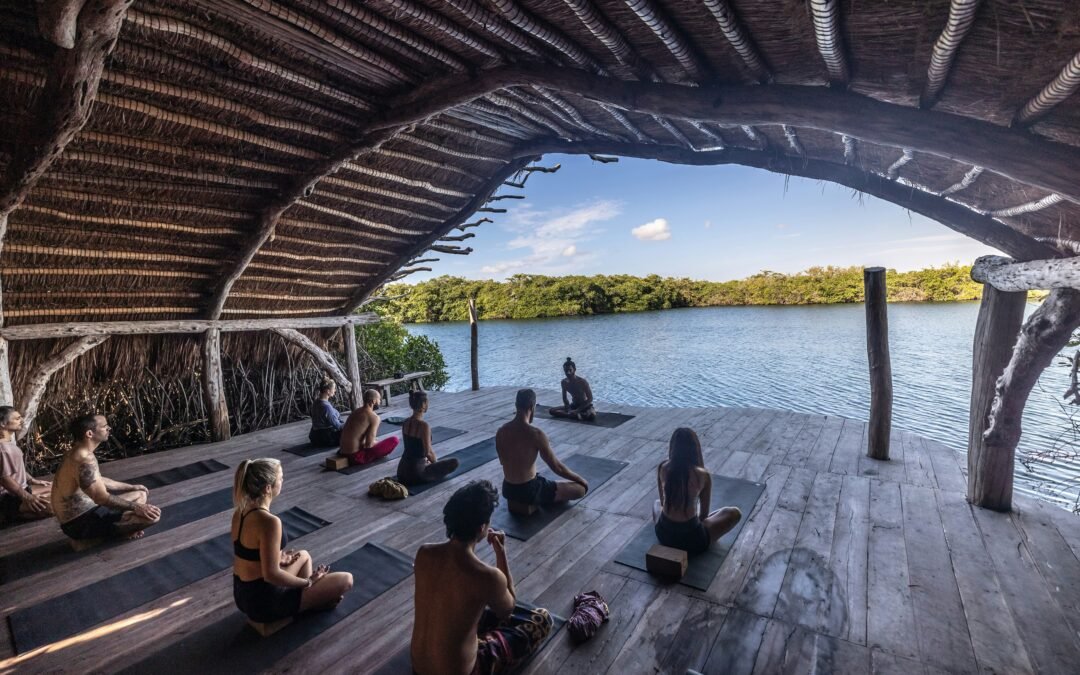
Yoga sessions, meditation circles, sound healing workshops, or breathwork classes combine social connection with personal well-being.
Key advantages:
- Calm, respectful atmosphere
- Focus on mental and physical health
- Builds emotionally aware communities
These events align well with work–life balance goals.
5. Volunteering and Community Service Meetups
Cause-based social events bring people together through shared values rather than entertainment.
Examples include:
- Community clean-up drives
- Animal shelter volunteering
- Food distribution initiatives
Such events create meaningful connections while contributing positively to society.
6. Silent Coworking and Focus Sessions
Silent coworking sessions allow individuals to work independently in a shared space, followed by optional networking.
Why they are effective:
- Minimal social pressure
- Encourages productivity and community
- Ideal for freelancers and remote workers
These events are especially popular in urban coworking hubs.
7. Learning-Based Social Events
Language exchange groups, writing circles, or public speaking practice sessions combine learning with social interaction.
Benefits:
- Goal-oriented engagement
- Reduces social anxiety
- Encourages consistent participation
They appeal strongly to students and professionals.
8. Curated Small-Group Experiences
Intimate dinner discussions, themed conversations, or curated meetups focused on specific interests allow deeper connections.
Why they matter:
- Quality over quantity
- Personalised interaction
- Strong sense of belonging
These events work well with limited attendance and pre-registration.
Conclusion
Socialising does not need to revolve around parties and clubs. As city lifestyles evolve, people increasingly seek unique social events that offer comfort, purpose, and connection. From creative workshops to wellness sessions and community-driven experiences, alternative social events create more inclusive and meaningful urban communities.
For platforms like City Socials, curating such experiences allows individuals to connect on their own terms—beyond noise, crowds, and nightlife.